


The Right Cart Is Defined by Real Usage, Not Just Appearance
When buyers compare shopping carts from different suppliers, many products may look similar at first glance. They have wheels, storage space, and similar basic functions.
However, the real difference appears after the product enters the market.
A shopping cart designed for supermarkets may perform well on smooth floors, but it may not provide the same experience when users need to move groceries through stairs, apartment buildings, or uneven outdoor paths.
For buyers, the question is not simply:
“Which shopping cart looks better?”
The better question is:
“Which cart design solves my customers’ real problems?”
This is why understanding the difference between a regular shopping cart and a shopping cart for stairs is important before making a purchasing decision.
Different Markets Require Different Shopping Cart Designs
Regular shopping carts and stair climbing solutions are not designed to replace each other. They are created for different applications.
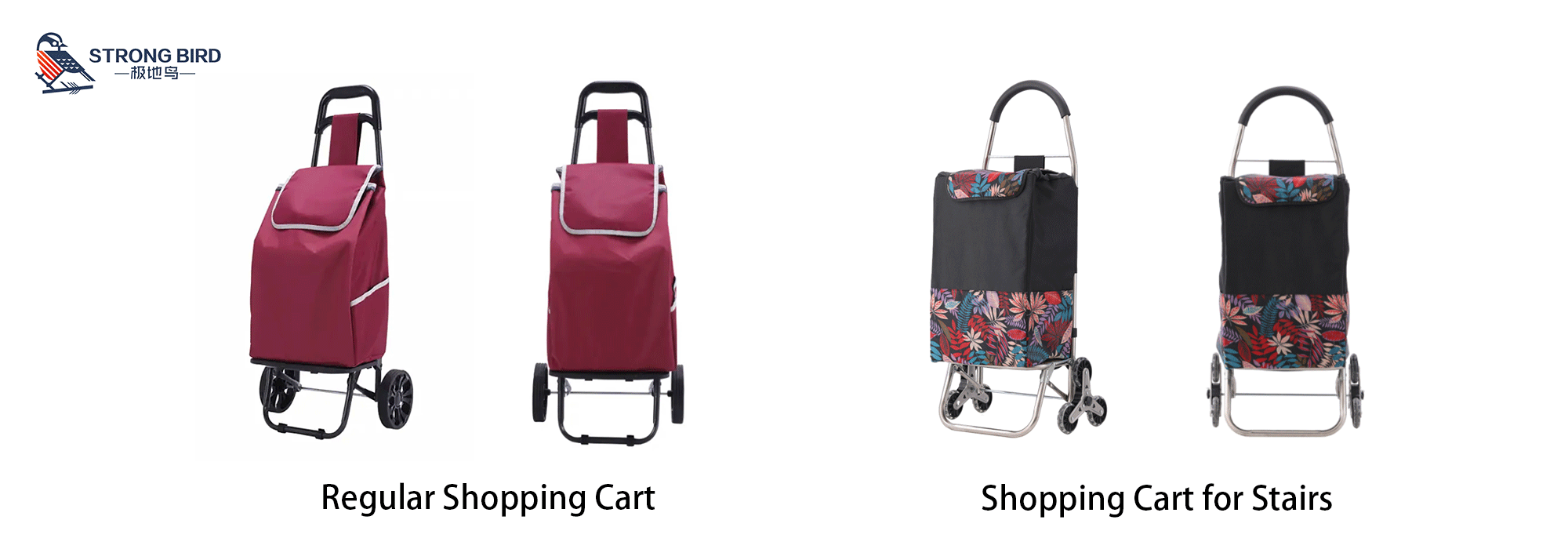
Traditional shopping carts are mainly used in supermarkets, retail stores, and warehouses. These environments usually provide flat surfaces and predictable movement conditions, allowing standard wheel systems and frame structures to work efficiently.
A shopping cart for stairs is developed for more challenging situations, including apartment communities, senior-focused markets, and urban environments where users may need to move products across steps or uneven paths.
The right choice depends on the customer and the application.
A supermarket buyer may prioritize efficiency and easy movement, while a community project or senior-focused market may need a cart that provides better stability and easier transportation.
Shopping Cart for Stairs vs Regular Shopping Cart: Key Engineering Differences
The difference between these two products comes from different engineering requirements.
| Design Factor | Regular Shopping Cart | Shopping Cart for Stairs |
|---|---|---|
| Usage Environment | Supermarkets and flat areas | Stairs, apartments, uneven paths |
| Wheel System | Standard movement wheels | Stair climbing wheel structure |
| Main Focus | Easy pushing and storage | Balance, stability, and controlled movement |
| Structure Design | General carrying requirements | Stronger load distribution |
A professional shopping cart manufacturer understands that product performance depends on matching design decisions with real-world applications.
The appearance of a cart may attract buyers, but engineering determines whether customers will continue using and recommending the product.
Behind the Design: Engineering Details That Affect Reliability
Many product differences are hidden inside the design.
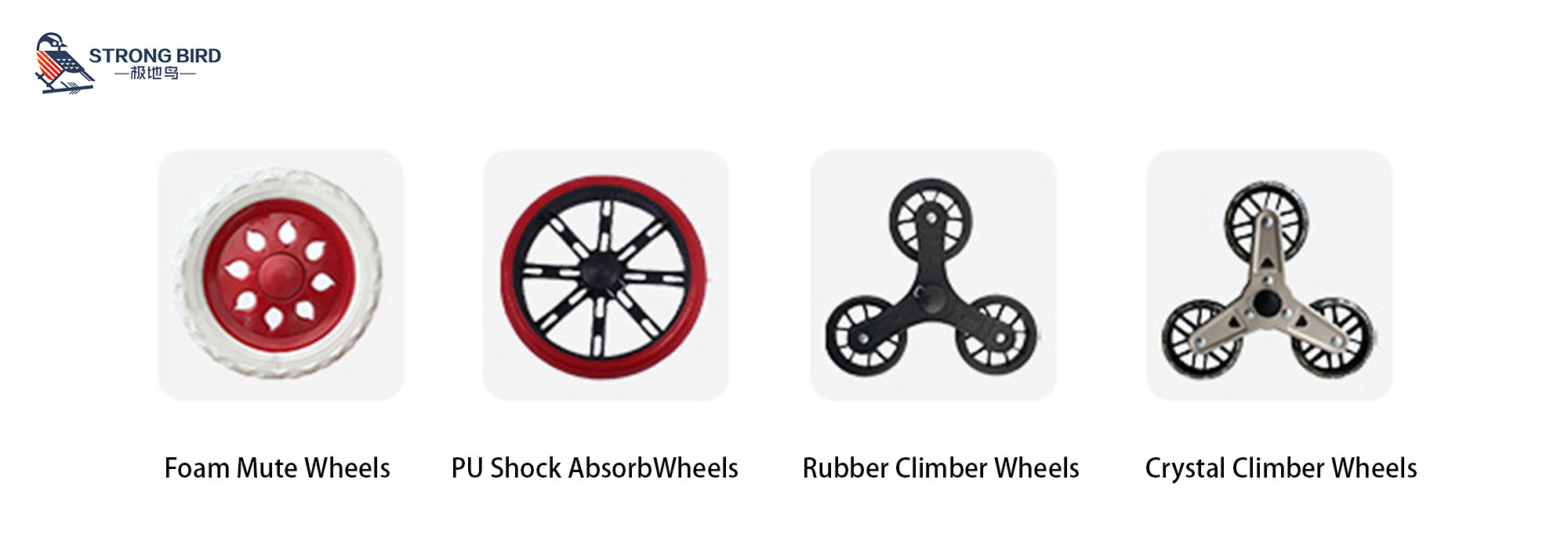
For a stair climbing cart, the wheel system is one of the most important components. Unlike flat-ground movement, climbing stairs involves changing angles, shifting weight, and additional pressure on the frame.
A reliable manufacturer must consider how different components work together.
| Engineering Factor | Why It Matters | Manufacturer Focus |
|---|---|---|
| Wheel System | Determines movement stability | Structure, balance, durability |
| Frame Design | Affects strength and service life | Load capacity, folding performance |
| Material Selection | Influences long-term reliability | Strength and weight balance |
| Production Control | Ensures consistent quality | Inspection and process management |
A professional factory does not only create a good-looking sample. It must ensure that the product can handle repeated folding, loading, transportation, and daily use after mass production.
Choosing the right product is only one part of a successful purchasing decision. For international buyers, selecting a reliable manufacturing partner is equally important. Factors such as factory capability, quality control systems, customization experience, and communication efficiency can directly influence the final project result.
To better understand how to evaluate suppliers before starting a cooperation, you can read our guide:
How to Choose a Reliable Shopping Cart Manufacturer in China.
How Strong Bird Turns Customer Requirements Into Production Solutions
A reliable OEM project does not start with manufacturing. It starts with understanding the customer’s market and application.
At Strong Bird, our process focuses on three important stages:
1. Requirement Understanding
We evaluate the target users, application environment, and product expectations to understand what the customer actually needs.
2. Engineering Development
Our team analyzes product structure, materials, and manufacturing feasibility to improve the final solution before production.
3. Sample Validation and Quality Control
After sample development, we confirm product performance and make adjustments before mass production. During manufacturing, quality inspections help maintain consistency between approved samples and final shipments.
As an experienced custom shopping cart manufacturer and OEM shopping cart supplier, Strong Bird does more than produce standard carts. We help global buyers develop products that fit their markets and customer expectations.
How Buyers Choose the Right Cart for Their Customers
Before purchasing, buyers should consider three key factors:
Understand the Usage Environment
A cart designed for supermarkets may not be the best solution for apartment residents or senior users. The environment determines the required design.
Identify Customer Expectations
Different users value different features. Some markets focus on stability and durability, while others prioritize portability and storage.
Match the Product With Market Goals
The right cart should support the buyer’s business objectives and provide a better experience for end users.
For example, a folding shopping cart may be ideal for urban consumers who need convenience, while a shopping cart for stairs may better serve markets with accessibility challenges.
Frequently Asked Questions About Shopping Cart for Stairs
What is the main difference between a shopping cart for stairs and a regular shopping cart?
A regular shopping cart is designed for flat environments, while a shopping cart for stairs uses specialized wheel and structural designs to support movement across stairs and uneven surfaces.
Can a regular shopping cart replace a stair climbing cart?
A regular cart may work for occasional situations, but frequent stair transportation requires a design created specifically for stability and repeated use.
Can manufacturers customize shopping carts for different markets?
Yes. An experienced OEM shopping cart supplier can customize structures, materials, functions, and branding according to different customer requirements.
Final Thought: Good Design Creates Better Customer Experiences
A shopping cart is more than a frame with wheels. Its real value comes from whether the design matches the environment where customers use it every day.
For buyers, understanding the difference between a regular cart and a shopping cart for stairs helps reduce purchasing risks and choose products that deliver long-term market value.
At Strong Bird, we combine engineering experience, manufacturing capability, and real application understanding to create reliable shopping cart solutions for global partners.


.png?w=1456&h=720)