
When a “Good Sample” Turns Into a Supply Chain Problem
In most sourcing projects, the beginning always looks calm.
A sample arrives.
The structure looks solid.
The wheels roll smoothly.
The finish looks acceptable.
At that moment, most buyers think:
“This looks like a reliable shopping cart manufacturer in China”
But what we have seen after working with retail chains, warehouse operators, and distributors is very different.
👉 The real problem never appears during sampling.
👉 It appears after mass production starts.
Why International Buyers Misjudge Suppliers at the Beginning
Most procurement teams evaluate suppliers using three assumptions:
- “If the sample is fine, production will be fine.”
- “If price is stable, quality should be stable.”
- “If communication is smooth, execution will be smooth.”
But in real sourcing of shopping cart manufacturer in China projects, these assumptions often fail.
Because what you are evaluating is not just a product.
You are evaluating a production system under pressure.
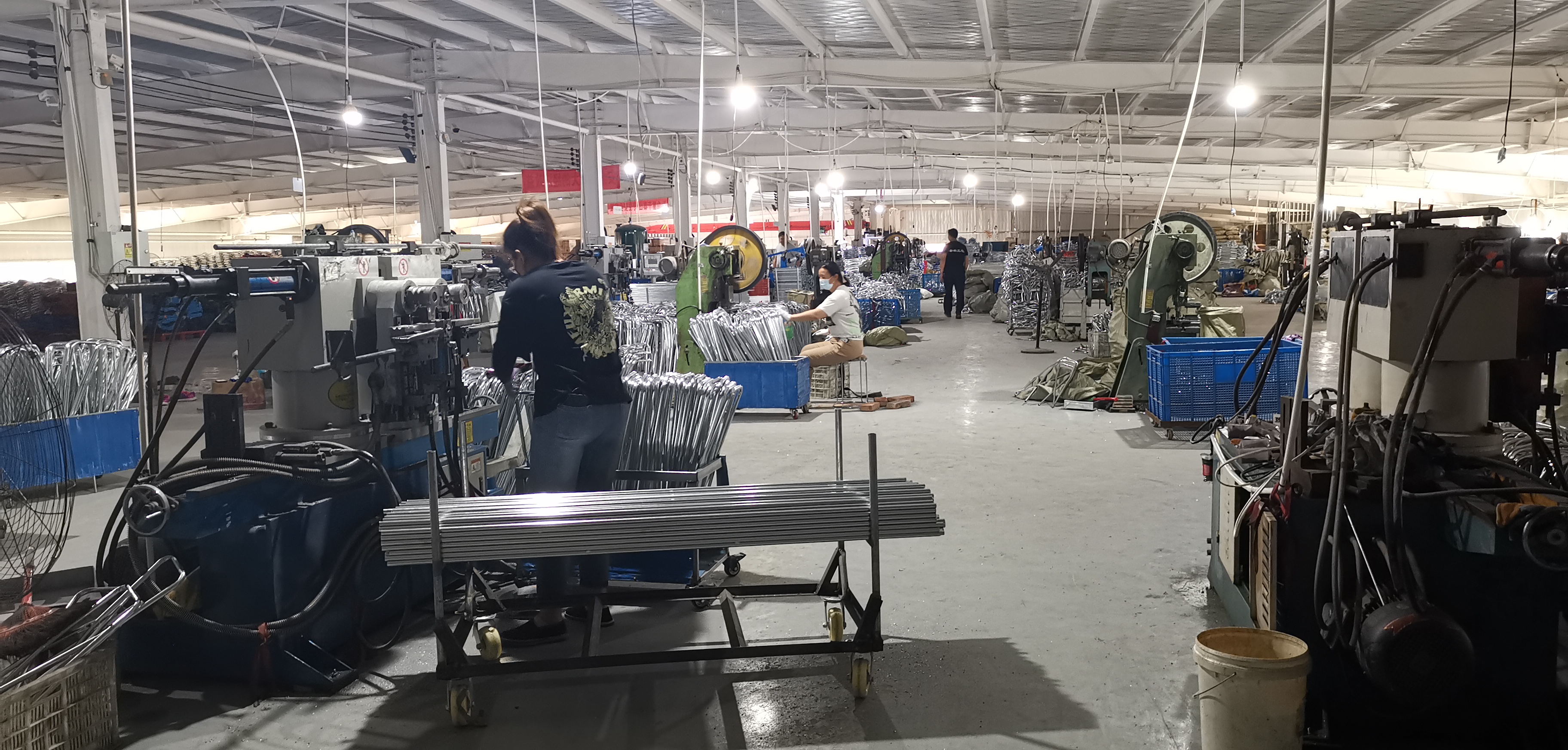
What Actually Breaks in Mass Production (Real Engineering Reality)
Even when a foldable cart with wheels passes sample testing, issues often appear later:
- welding micro-variation between batches
- wheel axle tolerance drift after repeated tooling use
- frame thickness inconsistency under supplier scaling pressure
- assembly torque differences across workers and shifts
👉 None of these are visible in a sample.
But all of them appear in mass production.
This is where most sourcing failures start—not at quotation, but at scaling.
The Supplier Reality Most Buyers Don’t See
Different supplier types produce completely different outcomes:
| Supplier Type | What You See | What Actually Happens |
|---|---|---|
| Factory (shopping cart manufacturer in China) | Stable samples + engineering feedback | Controlled production system + QC tracking |
| Trading Company | Fast response, flexible MOQ | Outsourced factories, unstable batch quality |
| Small Workshop | Low price advantage | High variability in welding, structure, and durability |
This is why two suppliers offering similar shopping carts for sale can lead to completely different shipment outcomes.
Case 1: “Everything Looked Fine… Until Store Operations Started”
A U.S. retail chain once placed a bulk order of foldable cart with wheels for in-store logistics.
Initial Approval Phase (everything looked safe)
- Sample passed load test
- Wheel rotation test was stable
- Structure matched drawings
Procurement approval was quickly granted.
At this stage, the decision felt safe.
But 3 Weeks After Delivery…
Store feedback started to change:
- wheels began wobbling during continuous use
- folding joints loosened after repeated daily cycles
- carts behaved inconsistently on uneven flooring
One store manager reported:
“They looked fine at first. But after real use, they slowly stopped feeling stable.”
👉 This is the most dangerous sourcing illusion: a product that passes testing but fails reality.
Case 2: Texas Warehouse Logistics Project (Trust Was Already Broken)
Before working with us, the client had already:
- switched suppliers twice
- experienced structural deformation issues
- delayed internal rollout for months
By the time they came to us, procurement trust was extremely low.
They were not looking for a supplier anymore.
They were looking for proof.
What They Required Before Approval
- multiple sample iterations
- welding process video verification
- load testing documentation
- extended pilot batch testing
👉 The evaluation process lasted nearly 6 weeks.
Not because the product was complex.
But because trust had been damaged before.
Engineering Fix for OEM Requirement
In this oem shopping cart project, we adjusted:
- upgraded high-tensile steel frame structure
- reinforced bottom load-bearing system
- improved welding consistency control process
- stress testing beyond export standards
Result (Not Instant Trust — But Rebuilt Trust)
- pilot batch passed warehouse stress cycle tests
- second batch achieved stable 50kg+ daily load performance
- long-term supply agreement was signed after verification
👉 In industrial procurement, success is not approval.
It is repeatability under pressure.
What Makes a Reliable Shopping Cart Manufacturer in China
A real shopping cart manufacturer in China is not defined by price.
It is defined by system capability.
| Evaluation Criteria | Why It Matters | What Buyers Should Check |
|---|---|---|
| Manufacturing capability | Ensures production stability | In-house production lines |
| QC system | Controls batch consistency | IQC / IPQC / FQC reports |
| OEM capability | Supports brand customization | Logo, structure, packaging |
| Export experience | Reduces compliance risk | US/EU shipment history |
| Engineering support | Solves real-world issues | Structural design capability |
What Buyers Usually Underestimate in OEM Projects
Most buyers think OEM means:
- logo printing
- color changes
- packaging design
But in real oem shopping cart projects, the real challenges are:
- load-bearing redesign under real usage
- wheel system compatibility adjustments
- batch-to-batch consistency control
- structural reinforcement under cost constraints
👉 OEM is not customization.
It is engineering negotiation.
Manufacturing Process Behind Every Order (What You Don’t See)
Most buyers only see:
- quotation
- sample approval
But real production includes:
- engineering review
- structural validation
- tooling confirmation
- pilot run
- batch QC inspection
- packaging stress testing
- export compliance checks
👉 When buyers misunderstand this process, delays and disputes happen.
Final Procurement Checklist (Used by Experienced Buyers)
Before confirming any shopping cart manufacturer in China, experienced procurement teams always verify:
- Can I physically audit or verify production lines?
- Do they provide batch QC reports?
- Have they shipped to my market before?
- Can they maintain OEM consistency across batches?
- Is production timeline realistic under stress conditions?
👉 If more than two answers are unclear, risk increases significantly.
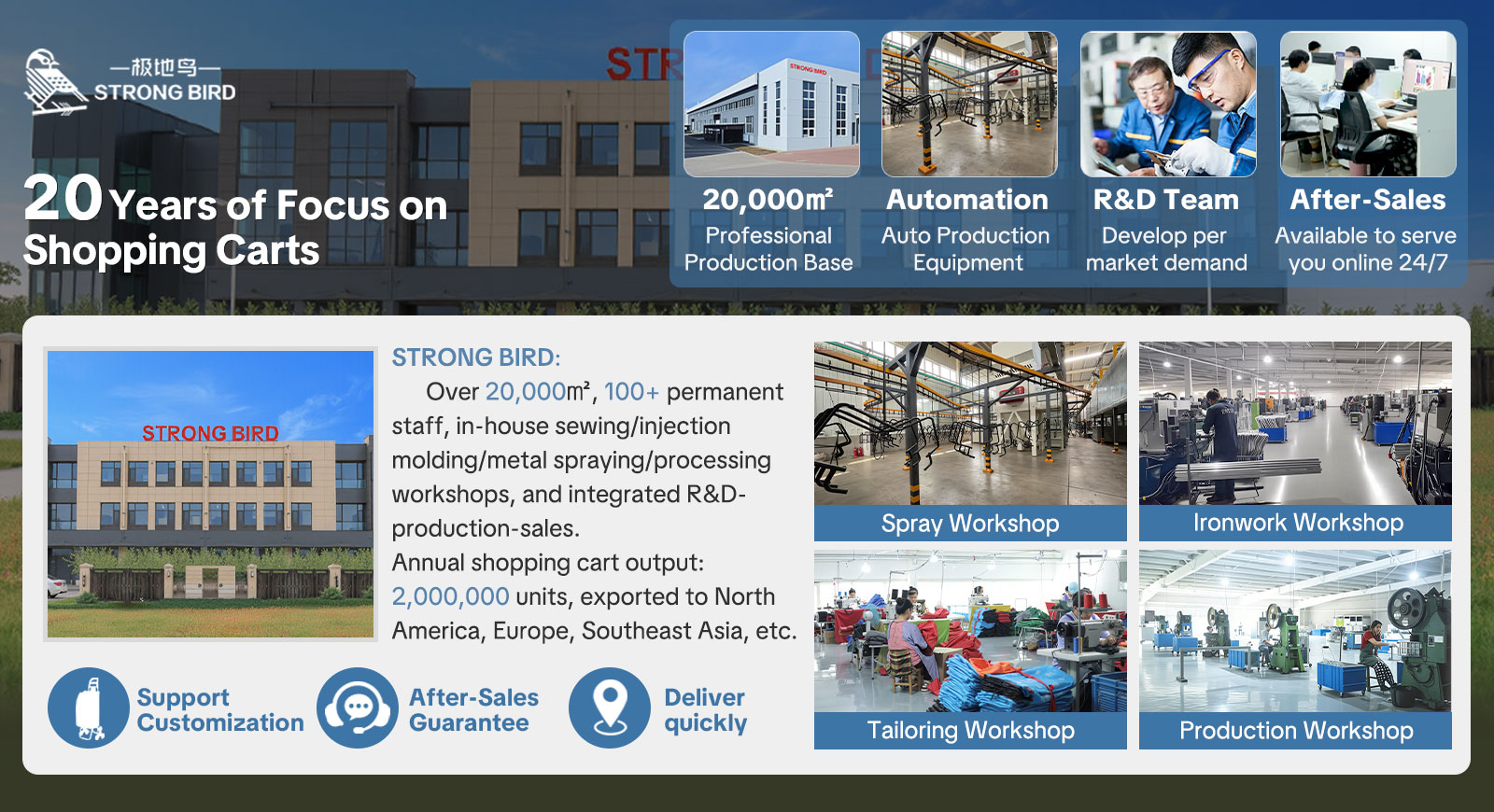
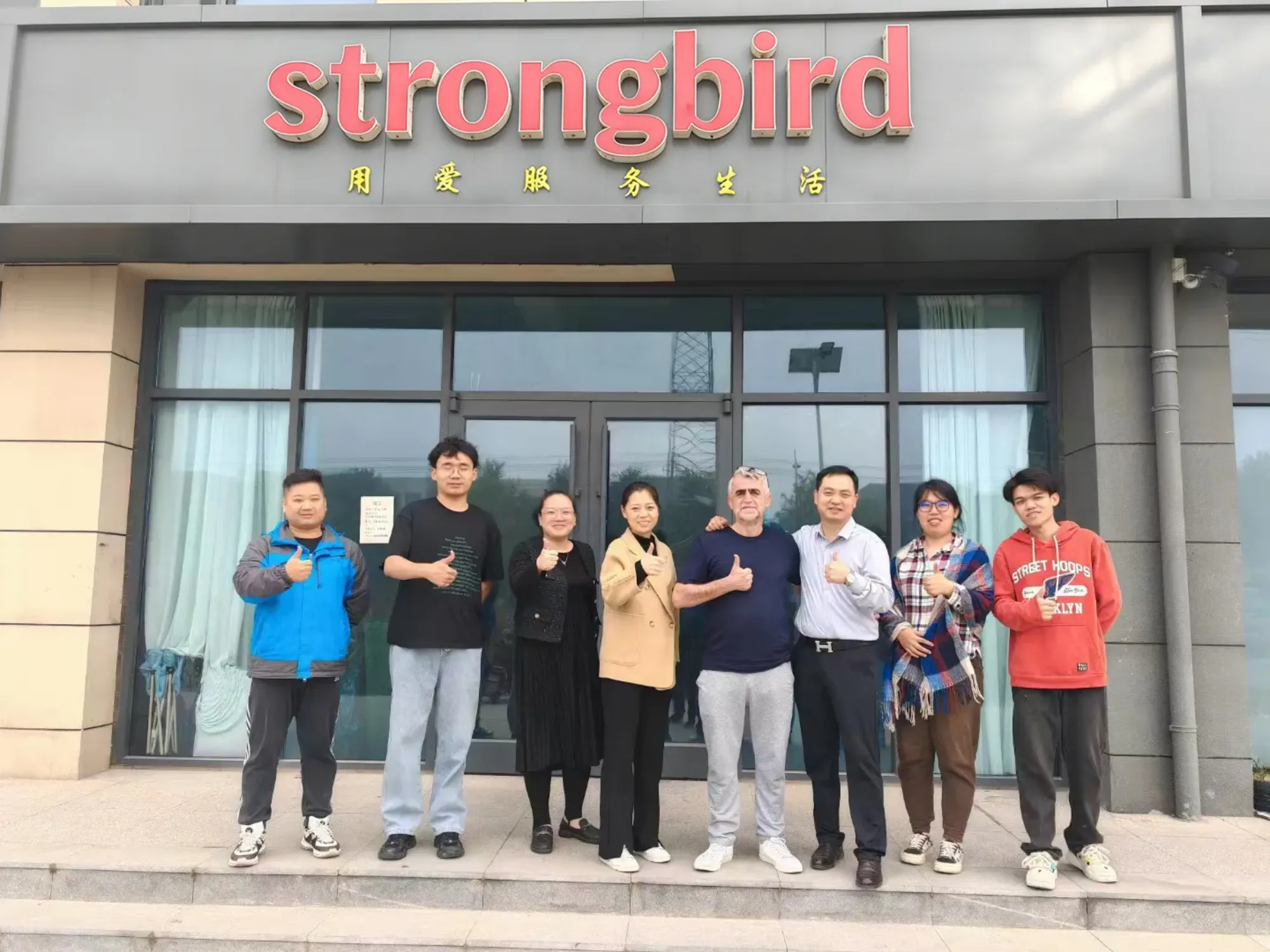
StrongBird Factory Support
If you are currently evaluating suppliers for your next project, we can help you reduce sourcing risk before production starts.
✔ OEM / ODM Engineering Support
Custom structure, logo, packaging, and load optimization
✔ Bulk Production for Retail & Logistics
Stable mass production with controlled QC system
✔ Engineering Pre-Validation Before Sampling
We review your requirements before you commit to tooling
👉 Avoid production failure before it happens
👉 Reduce supplier risk before bulk order
👉 Request Engineering Evaluation from StrongBird Factory
👉 Get OEM Product Catalog for Your Market
👉 Send Your Requirements for Technical Review
Final Thought
Most sourcing mistakes are not caused by bad products.
They are caused by overconfidence in early samples.
A true shopping cart manufacturer in China is not the one who produces the cheapest sample.
It is the one who can survive:
👉 real warehouse pressure
👉 real retail usage
👉 real batch consistency requirements


.png?w=1456&h=720)