
Finding a shopping trolley supplier is easier than ever.
A quick search can reveal hundreds of companies offering similar products, similar pictures, and similar promises.
Most buyers start by comparing:
- Product prices
- Product appearance
- Delivery time
- Supplier responses
However, these factors only show what a supplier can offer at the beginning.
The real difference appears after production starts.
Can the supplier maintain consistent quality?
Can they support product improvements?
Can they solve problems when requirements change?
Choosing a reliable shopping trolley manufacturer is not simply about finding a company that can produce carts. It is about finding a manufacturing partner that can reduce risks throughout the entire project.
That is why experienced buyers ask better questions before making a decision.
Why Traditional Supplier Evaluation Is No Longer Enough
Many buyers evaluate suppliers based on information that is easy to see:
| What Buyers Usually Check | What It May Not Reveal |
|---|---|
| Product photos | Manufacturing capability |
| Low quotation | Long-term production cost |
| Sample quality | Mass production consistency |
| Factory claims | Real engineering ability |
A supplier can have professional images and competitive prices, but that does not always mean they have strong production control or OEM experience.
A capable shopping trolley manufacturer should not only provide products. They should understand why a product is designed in a certain way, how to maintain quality, and how to support customers when challenges appear.
Before choosing a supplier, buyers should look deeper.
5 Questions Every Buyer Should Ask a Shopping Trolley Manufacturer
Questions 1: How Is the Shopping Trolley Designed for Different Users and Applications?
A professional manufacturer does not start with production.
They start with understanding the product purpose.
A shopping trolley designed for supermarkets, urban consumers, elderly users, or outdoor activities may require completely different solutions.
For example:
- A stair climbing cart requires careful wheel system design and balance control.
- A folding shopping cart requires portability and folding stability.
- A utility wagon requires stronger load capacity and durability.
A reliable manufacturer should be able to explain:
- Why certain materials are selected
- Why the structure is designed this way
- How the product matches the target users
A supplier that only provides standard models may produce products, but may not have the engineering ability to optimize solutions.
Questions 2:How Do You Control Quality From Sample Approval to Mass Production?
Many buyers focus heavily on samples.
However, the real challenge begins after bulk production starts.
A sample can look perfect, but maintaining the same quality across hundreds or thousands of units requires a professional manufacturing process.
Ask the supplier about:
- Material inspection
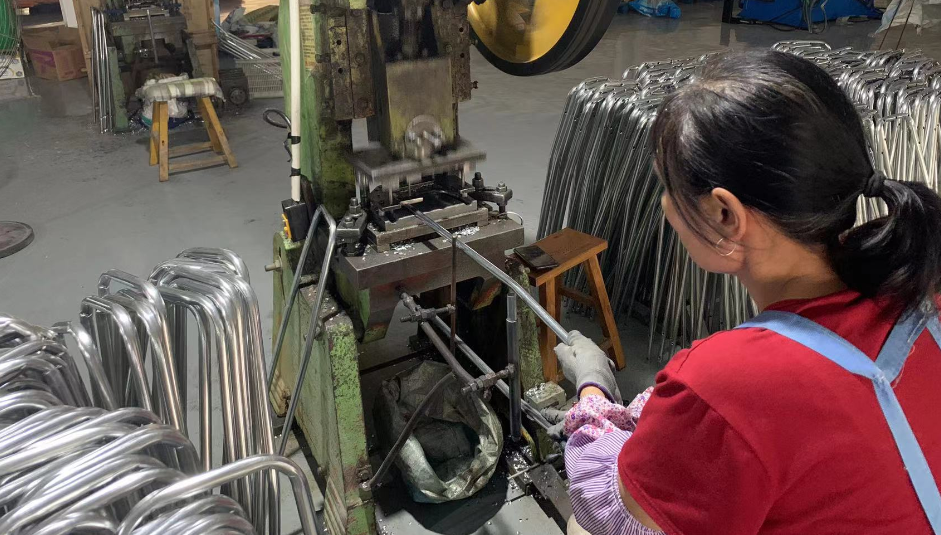
- Production process control
- Final product inspection
- Packaging standards
A reliable manufacturer should have a clear quality control system instead of relying only on checking finished products before shipment.
Evaluating production quality is just one part of risk management. For a step-by-step breakdown of managing international logistics and quality control for Chinese suppliers, read our 2026 Procurement Risk & Supplier Evaluation Guide.
Questions 3:Can You Support Customization Beyond Logo Printing?
Many suppliers describe themselves as OEM suppliers.
However, true OEM capability involves much more than adding a logo or changing colors.
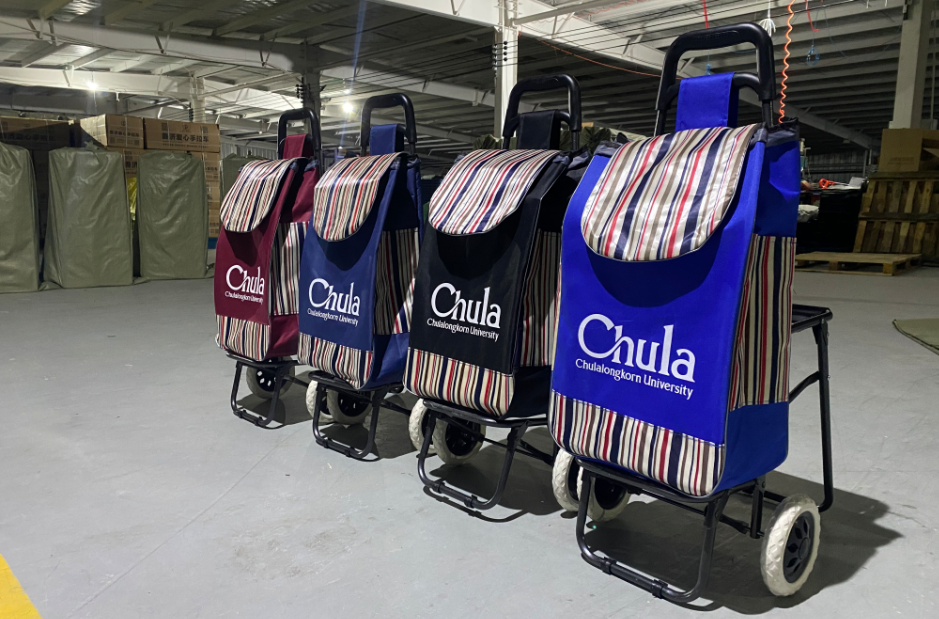
A professional custom shopping trolley manufacturer should be able to support:
- Product structure improvements
- Material selection
- Functional adjustments
- Customized packaging
- New product development
For brands building their own products, the value of a manufacturer is not only making existing products.
It is helping transform ideas into reliable products.
Questions 4:Who Handles Technical Problems During the Project?
Communication quality can directly affect project success.
A common challenge in product development is that customers communicate requirements, but technical problems appear during production.
A strong supplier should have cooperation between:
- Sales team
- Engineering team
- Production team
- Quality control team
When technical questions appear, customers should be able to communicate with people who understand manufacturing details, not only receive general answers.
Questions 5:Can You Support Long-Term Product Improvement After Delivery?
A good supplier relationship does not end when the order is shipped.
Markets change.
Customer feedback changes.
Product requirements improve.
A reliable shopping trolley supplier should be able to support:
- Product improvements
- New versions
- Market adjustments
- Future customization projects
The best manufacturing partnerships are built around continuous improvement, not one-time transactions.
How to Evaluate the Answers From a Shopping Trolley Manufacturer
Asking questions is only the first step.
The quality of the answers often reveals the real capability of a supplier.
| Question | Weak Answer | Strong Answer | What It Reveals |
|---|---|---|---|
| How is the product designed? | “We have many standard models.” | “We evaluate users, applications, and performance requirements before recommending solutions.” | Engineering understanding |
| How do you control quality? | “We check products before shipping.” | “We inspect materials, monitor production, and complete final quality checks.” | Manufacturing control |
| Can you customize products? | “We can add logos and colors.” | “We support structural changes, material selection, and functional improvements.” | OEM capability |
| Who handles technical issues? | “Our sales team will communicate.” | “Our engineering and production teams participate in the project.” | Problem-solving ability |
| How do you support future needs? | “We produce according to orders.” | “We improve products based on customer feedback and market requirements.” | Long-term partnership mindset |
A reliable manufacturer usually provides specific explanations instead of general promises.
How Strong Bird Applies These Principles
At Strong Bird, we believe successful shopping trolley projects begin with understanding customer requirements before production.
For every customized project, our team evaluates:
- Target users
- Product applications
- Functional requirements
- Market expectations
Our process includes:
- Product structure evaluation
- Material selection
- Sample development
- Production quality control
- Final inspection before shipment
As an experienced OEM shopping trolley supplier, Strong Bird focuses on helping customers develop reliable products, not only completing orders.
Whether customers need a folding shopping cart, stair climbing cart, utility wagon, or customized shopping trolley solution, our goal is to provide manufacturing support based on real application needs.
Final Thoughts: Choose Capability, Not Just a Supplier
The right shopping trolley manufacturer is not always the one with the lowest price or the largest product catalog.
A reliable partner is the one that can:
- Understand your product goals
- Control manufacturing quality
- Provide technical support
- Improve products over time
Before choosing a supplier, ask the right questions and evaluate the answers carefully.
Because the success of your product often depends on the capability behind the factory.
Ready to minimize your sourcing risks? Contact our engineering team today to get a Free Custom Design Blueprint & Sourcing Checklist for your next shopping trolley project!


.png?w=1456&h=720)