

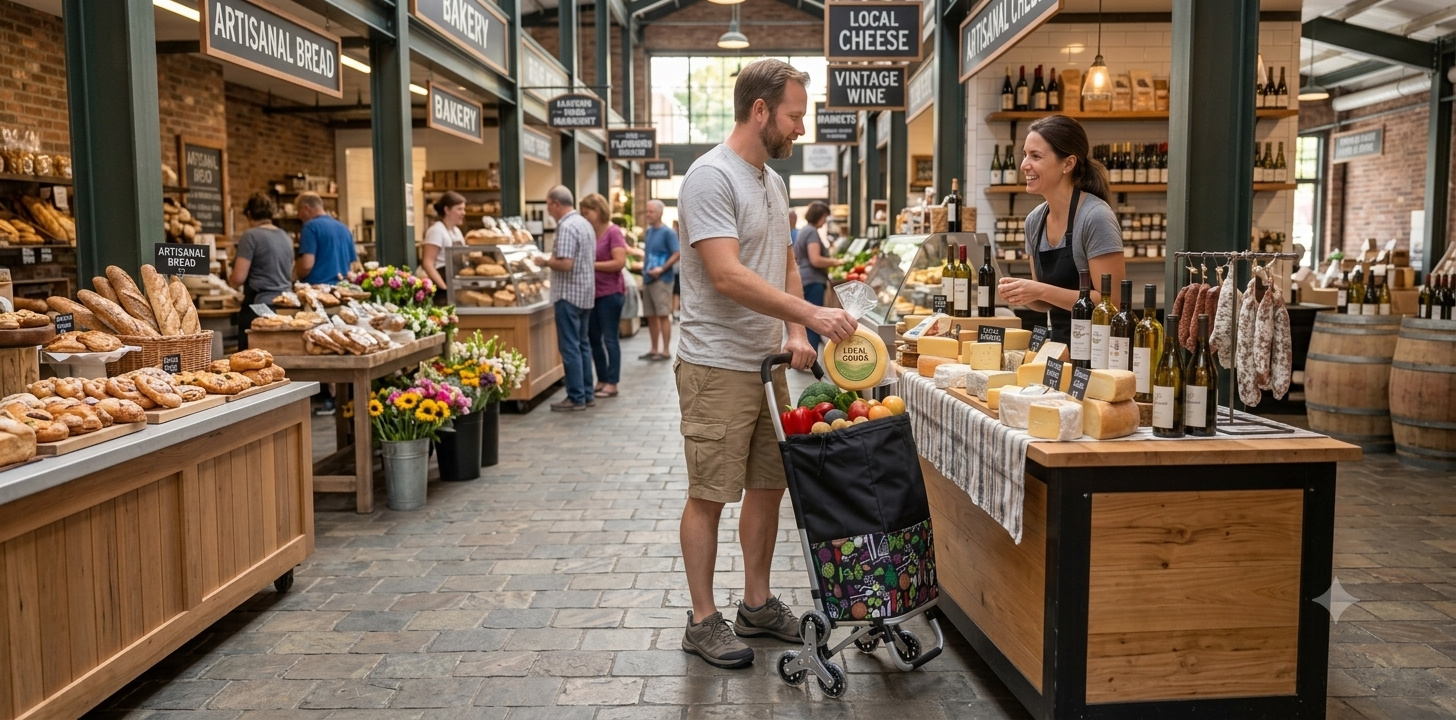
For decades, shopping convenience was built around disposable solutions. Customers purchased groceries, carried them home in single-use bags, and repeated the process every week.
However, the way people shop is changing.
Across Europe, consumers are becoming more aware of sustainability, while urban lifestyles are creating new challenges around mobility and convenience. Smaller living spaces, increased walking, and reduced car dependency are changing how people transport everyday purchases.
As a result, the demand for sustainable shopping solutions is growing. Consumers are no longer looking only for products that reduce waste — they are looking for practical solutions that make sustainable living easier.
This shift is driving the popularity of the foldable shopping cart, a product that combines convenience, durability, and reusable design.
From Single-Use Convenience to Reusable Shopping Habits
Single-use bags were designed around one simple idea: immediate convenience.
They are lightweight, inexpensive, and easy to access. However, they were never designed for long-term everyday shopping needs.
Modern consumers face different challenges:
- Carrying heavier grocery items
- Walking longer distances after shopping
- Using public transportation
- Managing limited storage space at home
For many shoppers, especially in urban areas, the problem is no longer only about carrying products. It is about finding a better way to manage the entire shopping journey.
This is why reusable alternatives are becoming increasingly important.
A foldable shopping cart provides a more practical approach by allowing consumers to transport larger quantities while reducing reliance on disposable bags.
The transition from disposable products to reusable solutions reflects a broader change in consumer behavior.
From Disposable Shopping to Reusable Shopping Solutions
| Traditional Single-Use Shopping | Modern Reusable Shopping Solutions |
|---|---|
| Focus on short-term convenience | Focus on long-term usability |
| Designed for one-time use | Designed for repeated daily use |
| Limited carrying capacity | Supports larger and heavier purchases |
| Creates more waste after use | Reduces dependence on disposable products |
| Suitable for occasional needs | Fits modern urban shopping habits |
The future of shopping is not simply about replacing one product with another. It is about creating better systems for everyday life.
How European Lifestyles Are Driving the Growth of Sustainable Shopping Solutions
The rise of sustainable shopping solutions is closely connected to changes in European lifestyles.
Many European cities are designed around walking, cycling, and public transportation rather than car-based shopping. Consumers often visit local supermarkets, markets, and neighborhood stores several times a week.
This lifestyle creates a demand for products that are:
- Easy to carry
- Simple to store
- Comfortable to use
- Built for repeated daily use
Traditional shopping bags often struggle to meet these needs. They can become uncomfortable when carrying heavy items and provide limited support for regular grocery shopping.
A portable shopping cart offers a different solution. It transforms shopping from a simple carrying task into a more convenient mobility experience.
- Easy to carry
- Simple to store
- Comfortable to use
- Built for repeated daily use
Traditional shopping bags often struggle to meet these needs. They can become uncomfortable when carrying heavy items and provide limited support for regular grocery shopping.
A portable shopping cart offers a different solution. It transforms shopping from a simple carrying task into a more convenient mobility experience.
Why Foldable Shopping Carts Fit Modern Urban Living
One of the biggest advantages of a foldable shopping cart is its ability to adapt to modern living environments.
Urban consumers need products that are not only functional but also flexible enough to fit their daily routines.
How Foldable Shopping Carts Solve Modern Urban Shopping Challenges
| Consumer Challenge | How Foldable Shopping Carts Help |
|---|---|
| Limited storage space in urban homes | Foldable design allows compact storage |
| Carrying heavy groceries | Wheels reduce physical effort and improve comfort |
| Walking or using public transportation | Lightweight structure improves portability |
| Frequent everyday shopping trips | Durable design supports repeated use |
| Need for sustainable alternatives | Reusable products reduce reliance on single-use bags |
Compact Storage for Smaller Homes
Urban apartments often have limited storage space. Large household products can become inconvenient when they are not being used.
A compact shopping cart with a folding structure solves this challenge by allowing consumers to:
- Fold the cart after use
- Store it in small spaces
- Carry it easily between locations
This makes foldable designs particularly suitable for city residents.
Better Mobility for Everyday Shopping
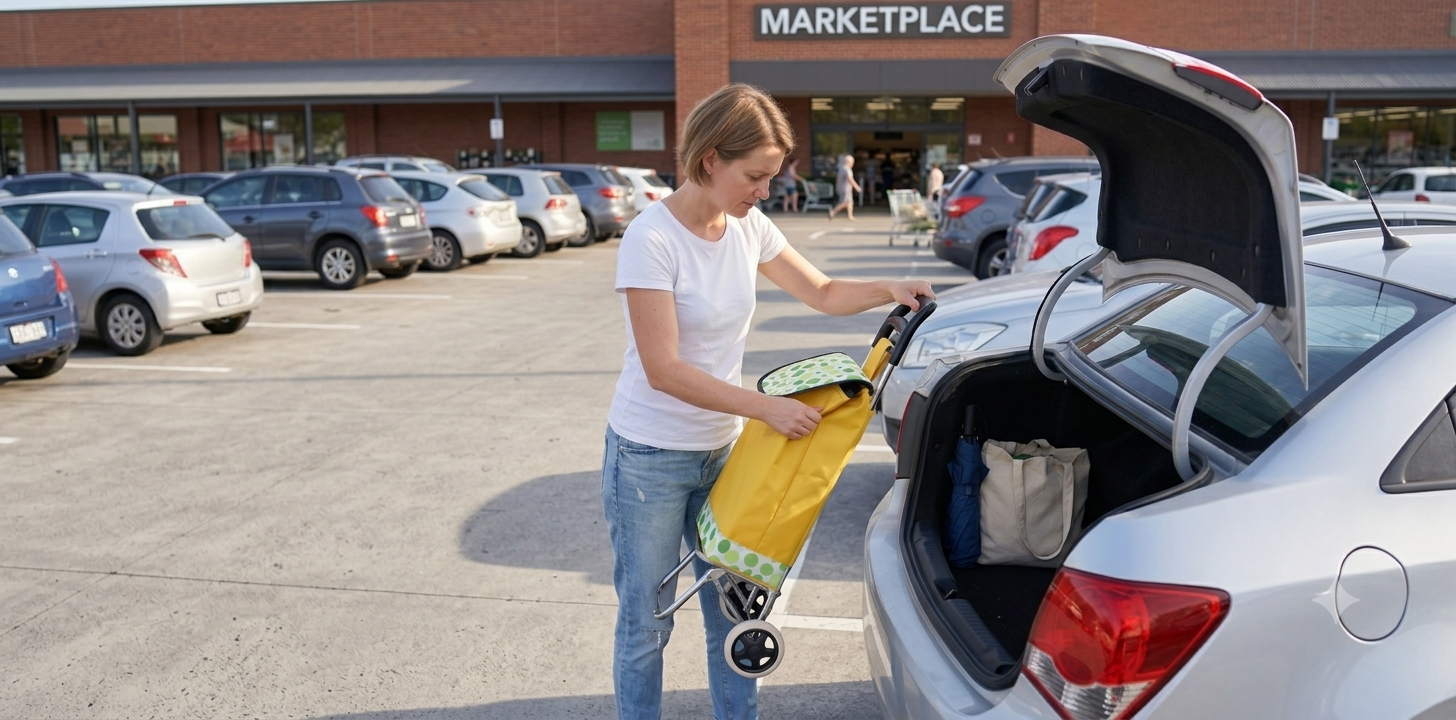
Shopping is becoming more mobile. Consumers may walk several blocks, use buses or trains, and combine shopping with other daily activities.
A well-designed folding shopping trolley provides:
- Smooth movement
- Comfortable handling
- Better weight distribution
- Reduced physical effort
For many users, especially seniors, a shopping trolley is not just a convenience product — it supports a more independent lifestyle.
Sustainability Is About Product Lifecycle, Not Only Materials
When discussing sustainable products, the conversation often focuses only on materials. However, true sustainability involves the entire product lifecycle.
A sustainable shopping solution should consider:
Long-Term Use
A reusable shopping cart can replace hundreds of disposable bags over years of use.
The longer a product remains functional, the greater its environmental value.
Durable Design
Consumers increasingly expect products that are built to last.
Important factors include:
- Strong frames
- Reliable wheels
- Durable fabric materials
- Stable folding mechanisms
Responsible Manufacturing
Future consumers will pay more attention to:
- Material sourcing
- Manufacturing processes
- Product recyclability
Sustainability is no longer only about what a product is made from. It is also about how long it remains useful.
What Consumers Expect From the Next Generation of Foldable Shopping Carts
As demand grows, the market is moving beyond basic functionality.
Modern consumers expect a lightweight shopping trolley that combines performance with thoughtful design.
Key features include:
- Lightweight construction for easy carrying
- Strong wheels for different surfaces
- Waterproof and durable shopping bags
- Comfortable handles
- Efficient folding systems
The Business Opportunity Behind Reusable Shopping Products
The growth of foldable shopping carts is not only a consumer trend. It also represents an opportunity for retailers, distributors, and brands.
As consumers look for more sustainable lifestyle products, retailers can expand their product ranges with practical solutions that combine environmental value and everyday usefulness.
A foldable shopping cart supplier can support this growing market by offering products that meet changing consumer expectations, including:
- Functional design
- Reliable quality
- Customization options
- Sustainable materials
- Long-term usability
From grocery shopping to outdoor markets and daily transportation, foldable shopping carts are becoming more than a household accessory. They are becoming part of a broader movement toward reusable living.
The next generation of shopping carts will focus on balancing three important factors:
Convenience + Sustainability + Design
A product that supports sustainable living must also fit naturally into consumers’ daily routines.
Conclusion: Making Sustainable Choices Easier
The future of shopping is not simply about replacing single-use bags. It is about creating solutions that help consumers make better choices without sacrificing convenience.
Foldable shopping carts represent this transition.
They combine practical mobility, reusable design, and sustainable living into one everyday product.
As European consumers continue to prioritize convenience and environmental responsibility, sustainable shopping solutions will become an increasingly important part of modern lifestyles.
The products that succeed in the future will not only reduce waste — they will make sustainable choices easier for everyone.

.png?w=1456&h=720)